
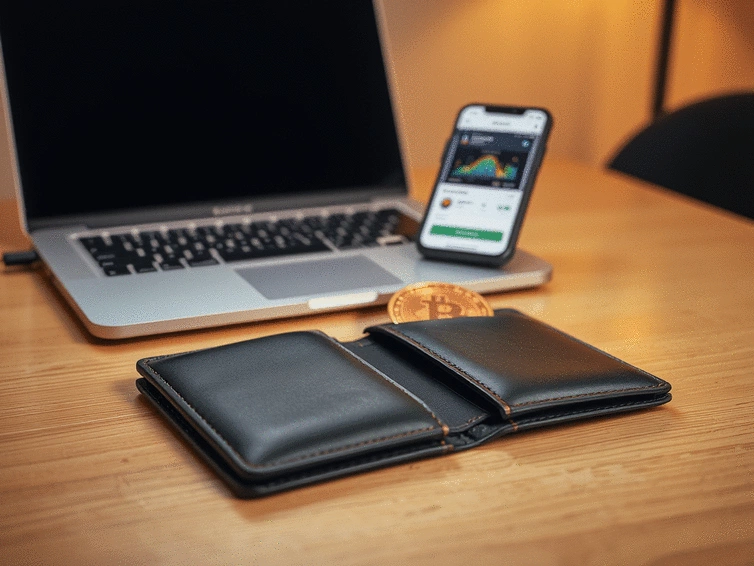
Beginner's Guide to Bitcoin Wallets
What if choosing the right Bitcoin wallet could be the difference between financial security and potential loss? In the evolving landscape of cryptocurrency, understanding how to select a wallet is crucial for both beginners and seasoned investors alike.
What You Will Learn
- The essential role of a Bitcoin wallet in managing your cryptocurrency safely.
- How different types of wallets (hot, cold, mobile, web, hardware) serve unique needs and purposes.
- Key features to consider when selecting a wallet, such as security, usability, and backup options.
- Strategies for using multiple wallets to enhance security and manage your Bitcoin effectively.
Bitcoin Wallet Comparison & Strategy
This visual outlines the key differences between Hot and Cold Bitcoin wallets and presents a multi-wallet strategy for beginners.
Hot Wallets: Convenience & Accessibility
- ●Connection: Online (Internet-connected)
- ●Purpose: Daily transactions, quick access
- ●Security: Moderate (higher risk of hacking)
- ●Examples: Mobile apps, Web wallets
Cold Wallets: Security & Long-Term Storage
- ●Connection: Offline (not Internet-connected)
- ●Purpose: Long-term investment, enhanced security
- ●Security: High (minimal risk of hacking)
- ●Examples: Hardware wallets, Paper wallets
Multi-Wallet Strategy for Beginners
1. Hot Wallet:
For daily or frequent transactions.
2. Cold Wallet:
For long-term storage of main assets.
3. Segment Funds:
Allocate based on investment strategy.
Understanding the Importance of Choosing a Bitcoin Wallet
When you start your journey into the world of Bitcoin, one of the first things you'll encounter is the need for a Bitcoin wallet. But what exactly is a Bitcoin wallet, and why is it important? Simply put, a wallet serves as your gateway to the cryptocurrency realm, allowing you to store, send, and receive Bitcoin securely. Without it, you can’t engage in any transactions or manage your assets effectively.
Think of your Bitcoin wallet as the digital equivalent of a traditional wallet. It holds your assets and provides you with access to your funds. In today’s fast-paced digital landscape, understanding how to choose the right wallet can significantly impact your investment experience.
What is a Bitcoin Wallet and Why Do You Need One?
A Bitcoin wallet is a software application or hardware device that allows you to interact with the Bitcoin blockchain. It stores your public and private keys, which are essential for sending and receiving Bitcoin. But why do you truly need one? Here are a few reasons:
- Secure Storage: Wallets protect your Bitcoin from theft or loss through encryption and private keys.
- Transaction Management: They enable you to send and receive Bitcoin quickly and easily.
- Access to Features: Many wallets offer additional features, such as transaction history, QR code scanning, and integration with exchanges.
In essence, a Bitcoin wallet is not just a tool—it's essential for anyone looking to invest or transact in cryptocurrency. Without it, navigating the world of Bitcoin would be nearly impossible! For more information on the regulatory perspectives on digital assets, you can refer to resources like the IRS guidelines on digital assets, which underscores their growing importance in financial reporting.

The Different Types of Bitcoin Wallets Explained
As you dive deeper, you'll discover that there are several types of Bitcoin wallets, each serving different needs and preferences. Understanding these differences can help you choose the right option for your situation. The main types include:
- Hot Wallets: These are connected to the internet and provide easy access for daily transactions.
- Cold Wallets: These are offline storage methods, ideal for long-term investment and enhanced security.
- Web Wallets: Accessible from any device with an internet connection, offering convenience but potentially less security.
- Mobile Wallets: Apps designed for smartphones, allowing you to manage your Bitcoin on the go.
- Hardware Wallets: Physical devices that securely store your Bitcoin offline.
Each type of wallet has its pros and cons. For instance, while hot wallets are convenient for daily use, they may expose you to security risks. Cold wallets, on the other hand, provide superior protection but require more effort for access. It's all about finding the right balance for your Bitcoin needs! You can learn more about the technical aspects and security implications of various digital asset storage solutions, including Bitcoin, by consulting detailed analyses such as those presented in academic papers on Bitcoin and digital asset security.
Comparing Hot Wallets and Cold Wallets for Beginners
As you begin your journey, you'll want to weigh the features and usability of both hot and cold wallets. Each serves a unique purpose, making it crucial to understand how they differ.
Hot Wallets: Features and Usability
Hot wallets are connected to the internet, making them a popular choice for beginners who need quick access to their funds. Here are some notable features:
- Ease of Use: User-friendly interfaces designed for quick transactions.
- Accessibility: Available on multiple devices, allowing you to access your Bitcoin anytime, anywhere.
- Instant Transactions: Send and receive Bitcoin with minimal delays.
Mobile Wallets: Convenience for Everyday Transactions
Mobile wallets are a subset of hot wallets and are perfect for everyday transactions. They offer convenience and quick access, making it easy to pay for goods or send money to friends. Just remember to keep your device secure!
Web Wallets: Balancing Accessibility and Security Risks
Web wallets provide access through your browser, making them simple to use. However, they come with increased risks, as they are more susceptible to hacking. Always choose reputable web wallets and enable two-factor authentication for added security.
Cold Wallets: The Secure Choice for Long-Term Storage
If security is your top priority, then a cold wallet might be the way to go. These wallets store your Bitcoin offline, greatly reducing the risk of theft or hacking. Here are some key points:
- Enhanced Security: By being offline, cold wallets significantly decrease the risk of unauthorized access.
- Best for Long-Term Storage: Ideal for investors looking to hold Bitcoin for an extended period.
- Physical Devices: Many cold wallets come as hardware devices, adding an extra layer of security.
Hardware Wallets: What Beginners Should Know
Hardware wallets are a popular form of cold storage. Known for their security features, they safeguard your private keys offline. When choosing a hardware wallet, consider factors like ease of use, compatibility with your devices, and overall reputation.
Understanding Cold Storage and Its Benefits
Cold storage refers to any method of storing Bitcoin offline. This approach minimizes the risk of cyber threats. With cold storage, you can rest easy knowing your investment is safe, especially if you're planning to hold for the long term.
Decoding Private Keys and Seed Phrases: Essential Knowledge
Understanding your private keys and seed phrases is crucial for managing your Bitcoin. Your private key is like a digital signature that proves ownership of your Bitcoin. Meanwhile, a seed phrase is a backup method that allows you to recover your wallet. Always keep this information secure and never share it with anyone! For further insights into the security aspects of Bitcoin and other cryptocurrencies, including best practices for protecting your assets, a helpful resource is the IACP Cyber Center's overview of Bitcoin, which elaborates on common risks and protective measures.
Pro Tip
When selecting a Bitcoin wallet, always prioritize security features such as two-factor authentication and encryption. Doing so will significantly reduce your risk of theft and unauthorized access, ensuring that your investments are protected as you navigate the cryptocurrency landscape.
Concluding Thoughts on Choosing the Right Bitcoin Wallet
As we wrap up our discussion on selecting a Bitcoin wallet, it's crucial to highlight the key features that beginners should keep in mind. Choosing the right wallet isn’t just about convenience; it’s about ensuring your assets are safe and accessible. Here are some features you should consider:
- Security: Look for wallets that offer two-factor authentication and encryption to protect your funds.
- User-Friendliness: Choose wallets with intuitive interfaces, especially if you’re new to cryptocurrency.
- Backup Options: Ensure your wallet allows for easy backup and recovery to safeguard against loss.
- Multi-Currency Support: If you plan to invest in more than just Bitcoin, consider wallets that support multiple cryptocurrencies.
By keeping these factors in mind, you’ll be well-prepared to make an informed decision that aligns with your needs and comfort level as you enter the world of Bitcoin.

Frequently Asked Questions (FAQs)
- 1. What is a Bitcoin wallet?
- A Bitcoin wallet is a software application or hardware device that allows you to securely store, send, and receive Bitcoin by managing your public and private keys.
- 2. What is the difference between a hot wallet and a cold wallet?
- Hot wallets are connected to the internet and are convenient for daily transactions, but carry higher security risks. Cold wallets are offline storage methods, offering enhanced security for long-term storage but less accessibility.
- 3. What are the key features to consider when choosing a Bitcoin wallet?
- Key features include security (like two-factor authentication and encryption), user-friendliness, reliable backup options, and multi-currency support if you plan to hold other cryptocurrencies.
- 4. Why is a multi-wallet strategy recommended for beginners?
- A multi-wallet strategy, using both a hot wallet for daily transactions and a cold wallet for long-term savings, enhances security by segmenting your funds and reducing exposure to online threats for the majority of your assets.
- 5. What are private keys and seed phrases, and why are they important?
- A private key is a digital signature that proves ownership of your Bitcoin. A seed phrase is a series of words that acts as a backup method to recover your wallet if it's lost or damaged. Both are crucial for accessing and securing your funds and should be kept absolutely private and secure.
Next Steps After Setting Up Your Bitcoin Wallet
Once you've set up your Bitcoin wallet, the journey doesn’t stop there! It’s time to take further steps to enhance your security and deepen your understanding of cryptocurrency. Here’s what I recommend:
Exploring Multi-Wallet Strategies for Enhanced Security
Using multiple wallets can be a smart strategy for managing your Bitcoin and ensuring extra security. Consider these approaches:
- Hot Wallet for Daily Transactions: Use a hot wallet for regular transactions and quick access.
- Cold Wallet for Long-Term Storage: Keep the majority of your assets in a cold wallet for added security.
- Segmenting Funds: Allocate funds based on your investment strategy—short-term vs. long-term.
This layered approach not only enhances your security but also helps you manage your cryptocurrencies more effectively.
Engaging with the Crypto Community for Continuous Learning
Staying connected with the crypto community can greatly enhance your knowledge and confidence. Here are some ways to engage:
- Join Online Forums: Participate in discussions on platforms like Reddit or specialized crypto forums.
- Attend Meetups and Webinars: Look for local meetups or online webinars to learn from others and share insights.
- Follow Influencers and Experts: Stay updated by following industry leaders on social media.
By immersing yourself in the community, you’ll discover new strategies and insights that can help you navigate the evolving crypto landscape.
Understanding Wallet Migration and Its Importance
Wallet migration is a concept that all Bitcoin users should understand. Whether you’re switching to a new wallet or consolidating funds, consider these key points:
- Backup Your Data: Always back up your wallet and recovery phrases before migrating.
- Research New Wallet Features: Ensure the new wallet meets your security and usability needs.
- Test Small Transfers: Before moving larger sums, conduct a test transfer to ensure everything works smoothly.
Understanding wallet migration helps you maintain control over your Bitcoin investments while adapting to new tools and technologies. Remember, being proactive in your crypto journey is essential for success!
Recap of Key Points
Here is a quick recap of the important points discussed in the article:
- Importance of a Bitcoin Wallet: A Bitcoin wallet is essential for securely storing, sending, and receiving Bitcoin.
- Types of Wallets: Understand the difference between hot wallets, cold wallets, web wallets, mobile wallets, and hardware wallets to choose the best fit for your needs.
- Security Features: When selecting a wallet, prioritize security features like two-factor authentication and encryption.
- User-Friendliness: Opt for wallets with intuitive interfaces, especially if you're new to cryptocurrency.
- Multi-Wallet Strategies: Consider using both hot and cold wallets for enhanced security and convenience.
- Engagement with Community: Join forums and attend webinars to continuously learn and share insights within the cryptocurrency space.

Understanding Blockchain Anonymity Features
Bitcoin Trends and Predictions Ahead
Bitcoin Mining: Legal Guidelines Worldwide
Bitcoin Mining Issues and Fixes
Blockchain's Impact Across Various Industries