
Custodial Wallets
- ✓ Managed by third parties
- ✓ Easy to set up
- ✗ Less secure (third party holds keys)
Convenient but relies on external security.
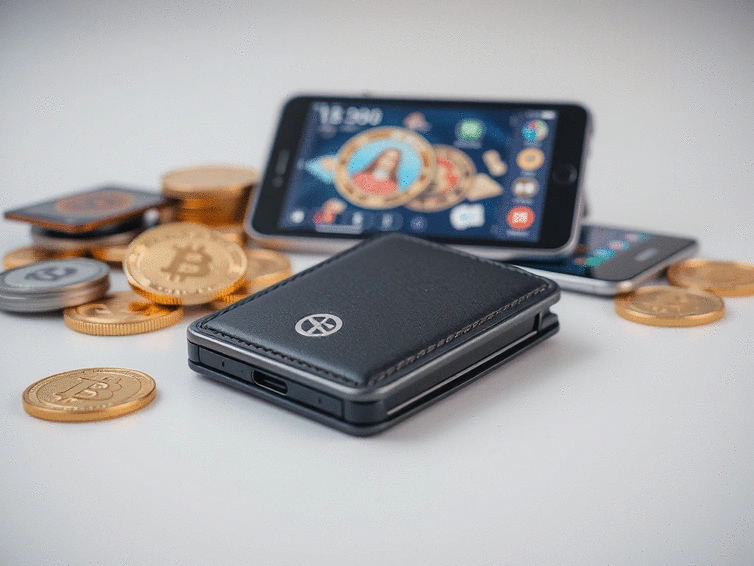
As the world of cryptocurrency rapidly evolves, understanding Bitcoin wallets is more crucial than ever. Did you know that these wallets serve as the gateway to decentralized finance (DeFi) and non-fungible tokens (NFTs)? By grasping their mechanics, you empower yourself to navigate this exciting digital landscape with confidence.
This visual categorizes Bitcoin wallet types and highlights their essential features for interacting with Decentralized Finance (DeFi) and Non-Fungible Token (NFT) platforms.
Convenient but relies on external security.
Greater control and security, but higher user responsibility.
Enables seamless participation in decentralized finance services.
Facilitates storage and interaction with unique digital assets.
In the fast-evolving world of cryptocurrency, understanding Bitcoin wallets is essential, especially when we talk about Decentralized Finance (DeFi) and Non-Fungible Tokens (NFTs). A Bitcoin wallet is more than just a digital storage space; it's your gateway to interacting with the broader crypto ecosystem. Whether you're looking to trade, invest, or explore, knowing how these wallets function will empower you to make informed decisions.
To put it simply, a Bitcoin wallet is a digital tool that allows you to store, send, and receive Bitcoin. But how does it actually work? Think of it as a virtual bank account where your Bitcoin is represented by a string of numbers and letters. This unique identifier, known as your wallet address, enables you to transact securely without revealing your personal information.
When you make a transaction, your wallet uses your private key, a secure code that only you should know, to sign it. This process proves that you're the owner of the funds being sent. Once signed, the transaction is broadcasted to the Bitcoin network and added to the public blockchain, maintaining a transparent record of all transactions.
Bitcoin wallets come in two main types: custodial and non-custodial. With custodial wallets, a third party, like an exchange, holds your private keys. This option can be convenient, but it also means you’re relying on someone else for your security. On the flip side, non-custodial wallets let you control your private keys, offering greater security and privacy.
Backing up your wallet is crucial! If you lose access to your wallet or your device, you could lose your Bitcoin forever. It’s advisable to keep a secure backup of your seed phrase—the recovery phrase used to restore your wallet. Additionally, implementing strong security protocols, such as two-factor authentication, can help safeguard your assets against potential threats.
Bitcoin wallets are not just for holding funds; they play a pivotal role in the DeFi space. By enabling users to interact with various DeFi applications, these wallets facilitate lending, earning yield, and trading without the need for traditional intermediaries.
Using your Bitcoin wallet with DeFi platforms can open up a world of opportunities. These platforms often allow you to connect your wallet directly, enabling seamless transactions and access to services like lending and staking. It's all about enhancing your financial capabilities without the traditional banking hurdles.
These features allow you to maximize your Bitcoin's potential while enjoying the advantages of decentralized finance.
Another exciting aspect of Bitcoin wallets in DeFi is the ability to perform cross-chain swaps. This means you can exchange Bitcoin for other cryptocurrencies without having to go through a centralized exchange. By using bridges, you can move your assets seamlessly between different blockchain networks, expanding your investment options.
DeFi protocols are designed to work with various cryptocurrencies, including Bitcoin. As more platforms adopt Bitcoin, it's essential to understand how your wallet interacts with these protocols to maximize your financial strategy. For instance, some protocols may require specific wallet types or additional security measures, so always do your research!
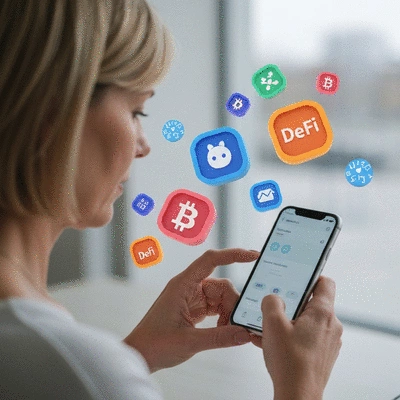
As the NFT market grows, so does the necessity for Bitcoin wallets to manage these unique digital assets. Understanding how these wallets interact with NFT platforms is crucial for anyone looking to explore this exciting frontier.
While NFTs are primarily associated with Ethereum, there are emerging ways for Bitcoin wallets to store and manage NFTs, especially through innovations like Ordinals. These wallets not only store Bitcoin but can also represent ownership of NFTs through secure mechanisms. For further information on the current landscape of NFTs and policy implications, you can refer to reports on NFTs, US policies, and priorities in 2023.
Ordinals are a fascinating development in the Bitcoin ecosystem. They allow for the inscription of data directly on the Bitcoin blockchain, enabling the creation and management of NFTs. This brings a new layer of functionality to Bitcoin wallets, allowing users to hold both Bitcoin and NFTs in one place. For a deeper dive into the technicalities of Ordinals and their impact, a comprehensive analysis of Ordinals and their implications is available.
By following these best practices, you can safely navigate the NFT landscape while protecting your assets.
As you look to engage with NFTs, it’s important to understand how your Bitcoin wallet fits into the NFT marketplace. Different platforms may have varying requirements, so always check the compatibility of your wallet before diving in!
Security is paramount when dealing with Bitcoin wallets, especially in the contexts of DeFi and NFTs. Understanding how to protect your digital assets will ensure a safer experience.
Your private key and seed phrase are the keys to your wallet. Keeping these secure is essential, as losing them could mean losing access to your funds forever. Always store them in a safe place and never share them with anyone!
While the benefits are significant, using Bitcoin wallets in DeFi and NFT transactions does come with risks, such as potential hacks or phishing attacks. It’s crucial to remain vigilant and use only reputable platforms to minimize these risks.
When it comes to choosing a wallet, hardware wallets generally offer better security compared to software wallets. Although hardware wallets are more costly, they store your keys offline, providing a layer of protection against online threats.
These features can significantly enhance your wallet's security, ensuring that your assets remain safe as you navigate the crypto landscape.
As technology evolves, so do Bitcoin wallets and their integration with DeFi and NFTs. Staying informed about these trends will keep you ahead in the crypto space!
Layer 2 solutions are rapidly gaining traction, providing faster and cheaper transactions. These innovations aim to enhance the Bitcoin network's scalability, making it easier to use for DeFi applications.
Artificial intelligence is starting to play a role in improving wallet usability. With advanced analytics, wallets can offer personalized insights and tips, making it easier for everyone—from beginners to seasoned investors—to manage their portfolios effectively.
The future holds exciting possibilities for interoperability. As various blockchain networks begin to communicate with each other, Bitcoin wallets could become the central hub for managing assets across different platforms. This would not only streamline transactions but also enhance user experience.
As you navigate your journey through Bitcoin wallets and their integration with DeFi and NFTs, we'd love to hear your thoughts! Which aspect do you find most challenging when it comes to using Bitcoin wallets?
A Bitcoin wallet is a digital tool that allows you to securely store, send, and receive Bitcoin. It functions like a virtual bank account and is essential for interacting with the broader crypto ecosystem, including DeFi and NFTs.
There are two main types: custodial and non-custodial. Custodial wallets are managed by a third party (like an exchange) that holds your private keys, offering convenience but less security. Non-custodial wallets give you full control over your private keys, providing greater security and privacy but requiring more user responsibility.
Bitcoin wallets enable seamless interaction with DeFi applications by allowing direct transactions, engagement with smart contracts, and access to liquidity pools. This facilitates activities like lending, staking, and earning yield without traditional intermediaries.
Yes, through innovations like Ordinals, Bitcoin wallets can now manage NFTs. Ordinals allow data to be inscribed directly onto the Bitcoin blockchain, enabling the creation and management of NFTs within the Bitcoin ecosystem.
Security is paramount. It's crucial to securely store your private keys and seed phrases, implement strong security protocols like two-factor authentication, and be aware of risks such as phishing attacks. Hardware wallets generally offer superior security compared to software wallets by storing keys offline.
Ordinals are a protocol that allows for the inscription of data, including NFTs, directly onto individual satoshis (the smallest unit of Bitcoin) on the Bitcoin blockchain. This development expands the utility of Bitcoin wallets to include the storage and management of unique digital assets.
Cross-chain swaps allow you to exchange Bitcoin for other cryptocurrencies across different blockchain networks without needing a centralized exchange. This is achieved through "bridges" that facilitate the movement of assets between blockchains, expanding investment options within DeFi.
Backing up your wallet, typically by securely storing your seed phrase, is critical because if you lose access to your wallet or your device, you could permanently lose your Bitcoin or other digital assets. A backup allows you to restore your wallet on a new device.
Gas fees are transaction costs associated with processing operations on blockchain networks. These fees can vary based on network congestion, and managing them effectively can help optimize transaction speed and cost. Many wallets allow users to adjust gas fee settings.
As we navigate the world of decentralized finance (DeFi) and non-fungible tokens (NFTs), it becomes clear that Bitcoin wallets play a pivotal role in this evolving landscape. These wallets not only store your Bitcoin safely but also enable you to interact seamlessly with various applications. Let’s explore the key takeaways regarding the integration of Bitcoin wallets within these ecosystems!
Bitcoin holds a unique position in the cryptocurrency space, often viewed as the original digital currency. With its widespread recognition and adoption, it serves as a gateway for users venturing into DeFi and NFTs. Here are some essential points to consider:
Understanding these aspects can greatly enhance your experience in the crypto space. From the power of accessibility to robust security features, Bitcoin wallets truly empower users in their DeFi and NFT ventures.
Bitcoin isn't just another cryptocurrency; it’s often regarded as the gold standard of the digital currency world. Its established reputation provides a level of trust that newer cryptocurrencies may lack. This trust translates into more users willing to engage with DeFi and NFT platforms using Bitcoin, expanding the utility of the currency.
Having a Bitcoin wallet comes with a plethora of benefits. Here are some key advantages:
These benefits create an inviting atmosphere for newcomers looking to explore the exciting realms of DeFi and NFTs with confidence!
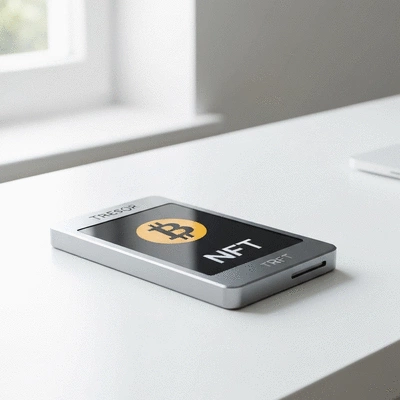
Managing wallet addresses effectively is crucial for a smooth user experience. Proper organization helps in avoiding confusion, particularly when interacting with multiple platforms and services. Here are some tips to manage your wallet addresses:
By integrating these practices, you can optimize your interaction with Bitcoin wallets and enhance your overall experience in the DeFi and NFT ecosystems.
Ready to dive into the world of Bitcoin wallets, DeFi, and NFTs? Here’s how you can get started!
Connecting your Bitcoin wallet to DeFi platforms can sound tricky, but it’s quite manageable! Follow these steps:
These steps will set you on the path toward harnessing the power of Bitcoin in DeFi!
If you’re looking to expand your knowledge further, I recommend checking out the following resources:
With these resources at your fingertips, you’ll be well-equipped to navigate the exciting world of Bitcoin!
Before you start making transactions, it’s essential to grasp the concept of gas fees. These fees are the costs associated with processing transactions on blockchain networks, and they can vary significantly. Here’s what you need to know:
Understanding gas fees not only helps you plan better but also ensures that you maximize the benefits of using your Bitcoin wallet effectively!
Here is a quick recap of the important points discussed in the article:
Understanding Blockchain Anonymity Features
Imagine navigating a financial landscape where your every transaction is not only secure but also sh
Bitcoin Trends and Predictions Ahead
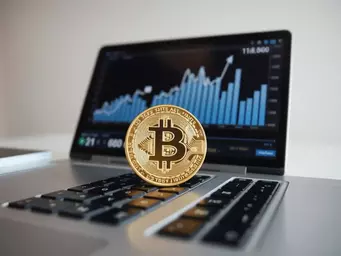
What if your investments could benefit from the same technology that powers the future of money? In
Bitcoin Mining: Legal Guidelines Worldwide
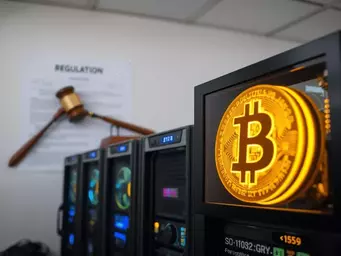
As we venture into the intricate world of Bitcoin mining, it's vital to be equipped with knowledge a
Understanding Blockchain Anonymity Features
Bitcoin Trends and Predictions Ahead
Bitcoin Mining: Legal Guidelines Worldwide
Bitcoin Mining Issues and Fixes
Blockchain's Impact Across Various Industries