
2026-01-28
Bitcoin Mining's Role in Security
What if I told you that Bitcoin mining is not just about creating new coins but is a cornerstone of the entire Bitcoin ecosystem? Understanding this process not only demystifies the technology behind Bitcoin but also highlights its importance in ensuring security and trust. Let's dive into the key takeaways!
What You Will Learn
- Bitcoin mining creates new coins and validates transactions on the blockchain.
- The decentralized nature of mining enhances security, as no single entity controls the blockchain.
- The hash rate indicates the mining power, impacting both competition and network security.
- Emerging trends such as renewable energy integration aim to improve mining efficiency and reduce environmental impact.
- Innovations like enhanced cryptography and blockchain interoperability are set to shape the future of Bitcoin mining.
Decoding Bitcoin Mining: Process and Security
An overview of the core process of Bitcoin mining and its critical role in maintaining blockchain security.
Mining's Role in Blockchain Security
Distributed Trust: No single entity controls the network.
Resilience Against Attacks: Requires majority computational power to alter.
Continuous Verification: New blocks reinforce security of previous ones.
The Role of Hash Rate
Increased Competition: Higher hash rate = fiercer mining competition.
Network Security: Higher overall hash rate enhances network security.
Efficiency: Efficient setups lead to higher hash rates & profitability.
Future Trends in Mining
Renewable Energy: Increasing adoption of green power sources.
Hardware Improvements: More efficient ASIC miners with higher performance.
Dynamic Difficulty: Ensures competitive balance in mining.
Understanding Bitcoin Mining and Its Role in Blockchain Security
Have you ever wondered how Bitcoin really works, especially when it comes to ensuring its security? Mining is a crucial part of the Bitcoin ecosystem, and understanding it can help demystify how transactions are verified and secured on the blockchain. At How Does Bitcoin Work, we strive to simplify these concepts, making them accessible for everyone, from newcomers to seasoned investors.
In essence, Bitcoin mining is the process by which new bitcoins are created and transactions are validated on the blockchain. Miners use powerful computers to solve complex mathematical problems, which not only unlocks new bitcoins but also verifies transactions made by users. This process is vital because it maintains the integrity of the network and ensures that no one can cheat the system.
What is Bitcoin Mining? An Overview of the Process
Bitcoin mining involves several key steps that work together to create a secure and decentralized currency. Here’s how it breaks down:
- Transaction Collection: Miners collect transactions made by users, forming a pool of transactions that need to be verified.
- Creating a Block: Once a miner gathers enough transactions, they compile them into a block.
- Solving the Puzzle: Miners then compete to solve a cryptographic puzzle. The first miner to solve the puzzle gets to add the block to the blockchain.
- Reward: As a reward for their efforts, the miner receives newly created bitcoins along with transaction fees from users.
This process of mining not only creates new bitcoins but also ensures that all transactions are recorded transparently on the blockchain. It's a fantastic blend of technology and economics that keeps the network running smoothly!

The Connection Between Bitcoin Mining and Blockchain Security
Now, let’s dive into why mining is so crucial for blockchain security. Each time a miner successfully adds a block to the blockchain, they contribute to a permanent record that is nearly impossible to alter. This is due to the cryptographic nature of blockchain technology, where each block is linked to the previous one.
Furthermore, the decentralized nature of the mining process means that no single entity has control over the blockchain, which greatly enhances its security. Here are some key points to consider:
- Distributed Trust: Since many miners are involved in the process, trust is distributed among participants rather than centralized.
- Resilience Against Attacks: Altering any block requires the majority of the network’s computational power, making it extremely difficult for a bad actor to manipulate the system. For a deeper understanding of the challenges and risks associated with cryptocurrencies, including potential attacks, you can refer to insights from the Brookings Institute on protecting the public from crypto risks.
- Continuous Verification: Each newly mined block reinforces the security of previous blocks, creating a chain that is robust against tampering.
This interconnectedness ensures that Bitcoin remains secure and trustworthy, vital for its acceptance as a form of currency. By understanding this connection, you can appreciate the intricate design that M.I.T. Technology Review highlighted as underpinning Bitcoin’s operational security.
The Role of Hash Rate in Bitcoin Mining Efficiency
The hash rate is another critical factor in the mining process. It represents the computational power being used to mine Bitcoin or process transactions on the network. In simpler terms, it’s a measure of how many calculations a miner can perform in a given amount of time. A higher hash rate typically leads to greater chances of successfully mining a block.
Here’s why the hash rate matters:
- Increased Competition: As more miners join the network, the hash rate increases, making the mining competition fiercer.
- Network Security: A higher overall hash rate contributes to the security of the network, as it makes it more difficult for malicious parties to alter blockchain history.
- Efficiency Considerations: Miners with more efficient setups (like ASIC miners) can achieve higher hash rates, which can lead to greater profitability.
By focusing on optimizing hash rates, miners not only improve their chances of earning rewards but also help strengthen the entire Bitcoin network. It’s a win-win situation where individual efforts contribute to collective security!
Pro Tip
Did you know? Optimizing your mining setup can significantly enhance your profitability and efficiency. Consider investing in energy-efficient hardware and leveraging renewable energy sources to not only reduce costs but also contribute to a more sustainable mining operation. Staying updated on the latest technologies and trends can give you a competitive edge in the mining landscape!
Frequently Asked Questions About Bitcoin Mining
Bitcoin mining is the process of creating new bitcoins and validating transactions on the blockchain. Miners use powerful computers to solve complex mathematical problems, which adds new blocks to the chain and secures the network.
Mining ensures blockchain security by creating a permanent, unalterable record of transactions. Its decentralized nature means no single entity controls the network, making it resilient to attacks, as altering a block requires immense computational power.
Hash rate measures the computational power used to mine Bitcoin. A higher hash rate signifies increased network security and fiercer competition among miners. Efficient setups lead to higher hash rates and better profitability.
Future trends include the increased adoption of renewable energy sources, continuous improvements in ASIC mining hardware for better energy efficiency, and dynamic difficulty adjustments to maintain competitive balance.
H2>Beginners can engage through online tutorials, YouTube channels, and community forums like Reddit or BitcoinTalk. Learning about different Bitcoin wallets (hardware, software, mobile) is also crucial for securing your assets.
Beginners can engage through online tutorials, YouTube channels, and community forums like Reddit or BitcoinTalk. Learning about different Bitcoin wallets (hardware, software, mobile) is also crucial for securing your assets.
Looking Ahead: The Future of Bitcoin Mining and Blockchain Security
As we step into the future of Bitcoin mining, it's essential to consider how trends in hashrate fluctuations and energy efficiency will shape the landscape. With ongoing advancements in technology, miners and developers alike are exploring ways to optimize operations while enhancing security. The balance between profitability and environmental responsibility is more crucial than ever, especially as the world becomes more aware of energy consumption issues.
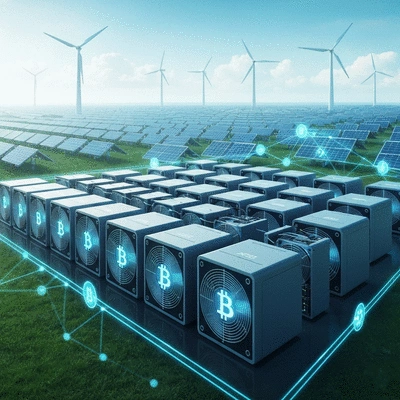
New methods and technologies are emerging, paving the way for more efficient mining practices. For instance, innovations such as renewable energy sources are starting to play a significant role in reducing the carbon footprint of mining operations. By leveraging sustainable energy, miners can not only increase efficiency but also contribute to a greener future. The U.S. Energy Information Administration (EIA) provides data on energy trends, which can offer further context on how various energy sources are being utilized.
Emerging Trends in Hashrate Fluctuations and Energy Efficiency
Understanding the trends in hashrate fluctuations is pivotal for anyone interested in Bitcoin mining. The hashrate represents the processing power of the network, and fluctuations can impact the overall security and efficiency of mining. Here are some trends to keep an eye on:
- Increased Adoption of Renewable Energy: Miners are increasingly turning to solar, wind, and hydroelectric power.
- Improvements in Mining Hardware: Next-gen ASIC miners are emerging, with better energy efficiency and higher performance.
- Dynamic Difficulty Adjustment: This ensures that the mining process remains balanced and competitive, even with varying hashrate, as discussed in various legislative proposals such as Senate Bill 4912, which addresses digital asset mining energy consumption.
As these trends continue to evolve, they will influence not just mining profitability, but also the security of the entire Bitcoin network. These innovations may very well define the next chapter of Bitcoin mining.
Innovations and Their Potential to Improve Security and Decentralization
Innovation is crucial in driving the future of Bitcoin mining and enhancing security. The integration of new technologies can lead to more secure and decentralized networks, which are vital for maintaining Bitcoin's integrity. Some innovations to watch include:
- Blockchain Interoperability: Solutions that allow different blockchains to communicate can increase security.
- Enhanced Cryptography: New cryptographic methods can make transactions safer and harder to manipulate.
- Decentralized Finance (DeFi) Integration: This could shift the mining landscape by creating new opportunities and challenges.
By embracing these innovations, we can expect a more robust Bitcoin mining ecosystem, fostering greater decentralization and security as we move forward.
The Role of ASIC Miners in the Future of Bitcoin Mining
ASIC (Application-Specific Integrated Circuit) miners have become the backbone of Bitcoin mining. These specialized machines are designed for one purpose: to mine Bitcoin efficiently. As we look ahead, their role is likely to expand and evolve:
- Performance Improvements: Ongoing development will lead to even more efficient ASIC miners.
- Cost-Effectiveness: Decreasing prices may encourage new miners to enter the space.
- Energy Efficiency: Future models will likely consume less power, addressing environmental concerns.
As ASIC technology advances, it will not only enhance the profitability for miners but also strengthen the overall security of the Bitcoin network. It’s an exciting time to be involved in the evolution of Bitcoin mining!
Engaging with the Community: How You Can Get Involved with Bitcoin Mining
Getting involved in the Bitcoin mining community is not only about hardware and software; it’s about connecting with like-minded individuals who share a passion for cryptocurrency. Whether you're a beginner or looking to deepen your knowledge, there are numerous ways to engage!
Resources for Beginners: Understanding the Basics of Mining
If you’re new to Bitcoin mining, starting with the right resources is key. Here’s a list of valuable resources to help you understand the basics:
- Online Tutorials: Platforms like How Does Bitcoin Work offer comprehensive guides that make learning easy.
- YouTube Channels: Many educators share insights and tutorials on mining techniques.
- Community Forums: Engage with communities on Reddit or BitcoinTalk for real-time advice and support.
These resources will help you build a strong foundation in Bitcoin mining and prepare you for the challenges ahead.
Exploring Bitcoin Wallets: Choosing the Right One for You
Choosing the right Bitcoin wallet is crucial for securing your assets. There are several types of wallets available, and understanding each can help you make an informed choice:
- Hardware Wallets: These offer the highest level of security for holding Bitcoin offline.
- Software Wallets: These are user-friendly and suitable for everyday transactions.
- Mobile Wallets: Ideal for on-the-go transactions, they provide convenience at your fingertips.
Consider your needs carefully before selecting a wallet, as it will play a significant role in your Bitcoin journey.
Final Thoughts: The Value of a Secure and Decentralized Blockchain Ecosystem
In conclusion, the future of Bitcoin mining and blockchain security holds immense potential. By engaging with the community and continuously educating ourselves, we can contribute to a secure, decentralized, and thriving Bitcoin ecosystem. As we embrace the changes and innovations ahead, let’s work together to promote understanding and confidence in this fascinating digital frontier. I invite you to join me at How Does Bitcoin Work, where we can explore these topics further and empower ourselves in the world of cryptocurrency!
Recap of Key Points
Here is a quick recap of the important points discussed in the article:
- Bitcoin Mining Process: Involves transaction collection, block creation, solving cryptographic puzzles, and miners receiving rewards.
- Blockchain Security: Mining contributes to a permanent record, making it nearly impossible to alter transactions.
- Importance of Hash Rate: A higher hash rate enhances competition and contributes to network security.
- Future Trends: Adoption of renewable energy, improvements in mining hardware, and dynamic difficulty adjustments are shaping mining practices.
- Community Engagement: Resources like online tutorials and community forums are essential for beginners in Bitcoin mining.



Understanding Blockchain Anonymity Features
Bitcoin Trends and Predictions Ahead
Bitcoin Mining: Legal Guidelines Worldwide
Bitcoin Mining Issues and Fixes
Blockchain's Impact Across Various Industries