
Hardware Malfunctions
Problem: Overheating, performance drops, leading to costly repairs and reduced efficiency.
Solution: Implement cooling systems, perform regular hardware inspections.
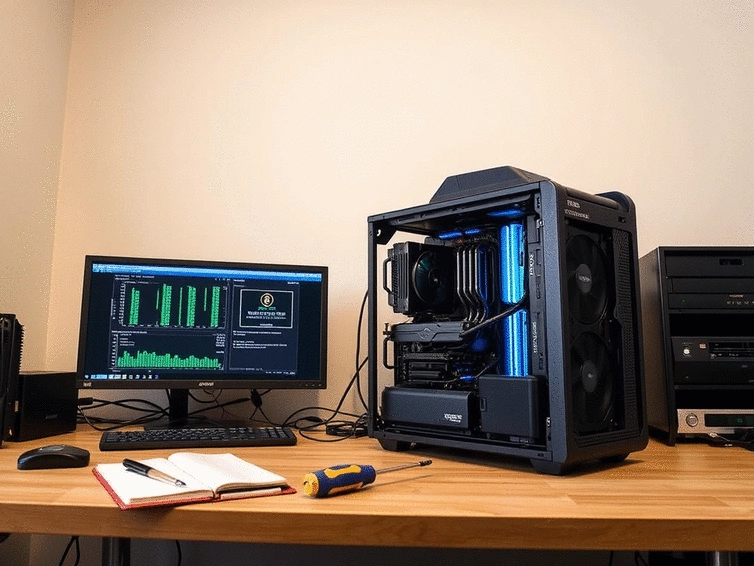
In the world of Bitcoin mining, knowledge is your greatest asset. Here’s what you can uncover to enhance your mining practices and avoid common pitfalls.
This visual outlines common pitfalls in Bitcoin mining and provides actionable solutions to maintain profitability and operational efficiency.
Problem: Overheating, performance drops, leading to costly repairs and reduced efficiency.
Solution: Implement cooling systems, perform regular hardware inspections.
Problem: Outdated software versions, causing missed mining opportunities and slower operations.
Solution: Keep mining software consistently updated to the latest versions.
Problem: Downtime due to improper connection to mining pools or network instability.
Solution: Verify pool configuration, ensure stable internet, and check settings regularly.
Problem: Issues with wallet setup or synchronization, leading to inaccessible funds or delayed transactions.
Solution: Double-check wallet setup and follow resolution steps swiftly.
Mining Bitcoin can be an exciting yet challenging endeavor. As we dive into this complex world, it’s important to understand how mining works and the common pitfalls that miners encounter. In this section, I’ll share insights on typical mining errors and how to tackle them head-on. Let’s empower ourselves with knowledge to maximize our mining success!
At its core, Bitcoin mining is the process of validating transactions and adding them to the blockchain. This involves solving complex cryptographic puzzles, which not only secures the network but also rewards miners with new bitcoins. To succeed, miners need to grasp the mechanics of this process and the technology behind it.
By understanding these elements, we can better appreciate the mining landscape and prepare for the challenges ahead. Whether you are just starting or looking to refine your skills, having a solid foundation is crucial!

As miners, we often face various errors that can hinder our operations. Identifying these errors quickly is key to maintaining profitability. Some of the most common issues include hardware malfunctions, software bugs, and connection problems with mining pools.
Each of these errors can significantly impact your mining efficiency and profitability. Recognizing the signs early on allows you to address them before they escalate. It's worth noting that the energy consumption of cryptocurrency mining, particularly Bitcoin, is a significant factor in operational costs and environmental impact, making efficiency even more critical. For a broader perspective on the energy usage of data centers, including those used for mining, you can refer to reports such as the United States Data Center Energy Usage Report.
Every error in mining has a ripple effect on your overall profitability. For instance, if your mining rig overheats, it not only affects performance but can also lead to costly repairs. Similarly, software bugs can result in missed opportunities to mine new blocks, cutting into your potential earnings.
Being aware of these common issues can help you take proactive measures to ensure your mining operation remains as profitable as possible. Remember, the more informed you are, the better equipped you'll be to tackle any challenges that arise! Additionally, staying informed about regulatory developments, such as the Agency Information Collection Proposed Extension related to cryptocurrency mining, is vital for long-term planning and compliance.
As you navigate the challenges of Bitcoin mining, we want to know: What do you consider the biggest obstacle in your mining journey?
Here are some common questions to help clarify key aspects of Bitcoin mining and troubleshooting:

As we've explored, understanding the intricacies of Bitcoin mining can significantly enhance your experience and profitability. Identifying common problems and knowing the solutions is essential for smooth operations. Let's recap some of the most critical issues and their corresponding remedies.
By addressing these areas proactively, you can avoid unnecessary downtime and maintain your mining efficiency. Remember, troubleshooting is an integral part of successful mining, and having a plan in place helps.
To further enhance your Bitcoin mining journey, adopting best practices is crucial. Establishing a routine for maintenance and troubleshooting can save you time and money in the long run. Here are some practices to consider:
By incorporating these practices into your routine, you’ll be better equipped to tackle any issues that arise and maximize your mining success.
Monitoring your mining performance is vital for ongoing success. This means regularly evaluating key metrics that impact your operations. Here are some crucial metrics to keep an eye on:
By continuously evaluating these metrics, you can identify areas for improvement and adjust your strategies accordingly. This approach not only enhances your mining effectiveness but also boosts your overall profitability in the long haul.
One of the most valuable resources in the world of Bitcoin mining is the community itself. Sharing experiences and solutions can lead to better outcomes and foster a spirit of collaboration. When you connect with others, you gain insights that might save you time and resources.
For those looking to deepen their understanding, I encourage you to explore more resources available on How Does Bitcoin Work. Our site is dedicated to making Bitcoin accessible for everyone, featuring guides and tutorials that can help enhance your mining knowledge and skills!
Participating in online forums can provide a support network for miners facing similar challenges. These platforms are excellent for asking questions, sharing troubleshooting techniques, and learning from the experiences of others. Plus, they can help you stay updated on industry trends!
By engaging with the community, you'll not only enhance your knowledge but also contribute to the collective understanding of Bitcoin mining. Let’s continue exploring and learning together as we navigate this exciting landscape of cryptocurrency!
Here is a quick recap of the important points discussed in the article:
Understanding Blockchain Anonymity Features

Imagine navigating a financial landscape where your every transaction is not only secure but also sh
Bitcoin Trends and Predictions Ahead

What if your investments could benefit from the same technology that powers the future of money? In
Bitcoin Mining: Legal Guidelines Worldwide

As we venture into the intricate world of Bitcoin mining, it's vital to be equipped with knowledge a
Understanding Blockchain Anonymity Features
Bitcoin Trends and Predictions Ahead
Bitcoin Mining: Legal Guidelines Worldwide
Bitcoin Mining Issues and Fixes
Blockchain's Impact Across Various Industries