
Varied Global Regulations
Each country has unique rules. Local laws are paramount for operations.
As we venture into the intricate world of Bitcoin mining, it's vital to be equipped with knowledge about the evolving regulatory landscape. Understanding these regulations isn’t just a safeguard against penalties; it’s a stepping stone to success in this competitive domain.
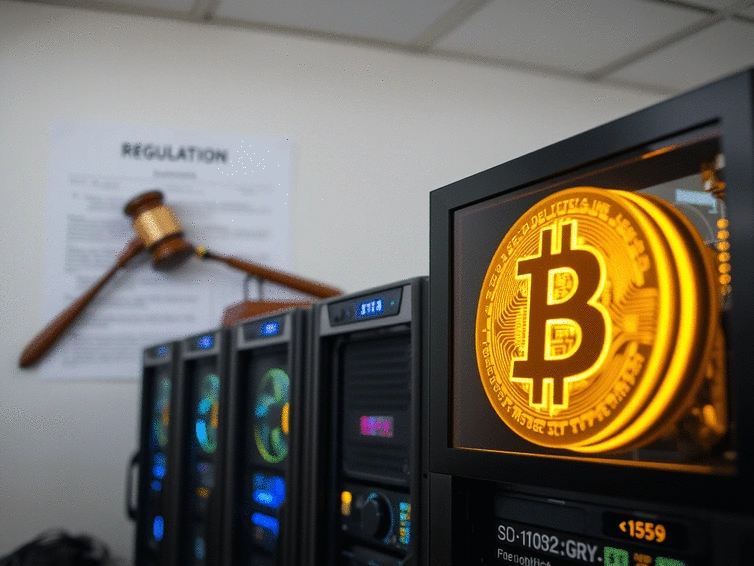
Navigating the global landscape of Bitcoin mining requires understanding varied regulations. This visual highlights the critical areas miners must consider for compliance and sustainable operations.
Each country has unique rules. Local laws are paramount for operations.
Focus on sustainable practices, renewable energy, and energy-efficient equipment.
As the world of Bitcoin continues to grow, so does the complexity of its mining regulations. Understanding these regulations is essential for anyone looking to engage in Bitcoin mining. With different countries developing unique policies, it can be challenging for miners to navigate this evolving landscape. Let's explore the key components and considerations that shape Bitcoin mining compliance around the globe!
Each region has its own set of rules and regulations that miners must follow, often influenced by local governments' stances on cryptocurrencies. This section will guide you through these regulations and provide insights into how they affect miners like you.
Bitcoin mining compliance has undergone significant changes in recent years. Governments are realizing the potential economic benefits of this digital currency, leading to the establishment of new laws and guidelines. Miners need to stay informed about these shifts to ensure they operate within legal boundaries and avoid penalties.
By actively following these developments, miners can better position themselves to thrive in a competitive market. The interplay between regulation and innovation will shape the future of Bitcoin mining, so it’s crucial to keep a pulse on the changes! The Financial Stability Board (FSB) has provided high-level recommendations for regulating crypto-asset activities, which include aspects relevant to mining.
Understanding the legal landscape is vital for any Bitcoin miner. Different jurisdictions impose various rules that can significantly impact operations. Here are some of the key elements that miners should consider:
Compliance with these legal considerations can enhance a miner's reputation and sustainability in the market. Therefore, it’s important to do thorough research and seek legal advice when necessary. A comprehensive 50-state review of blockchain and cryptocurrency laws offers insights into the varied legal frameworks across different regions.
As Bitcoin mining consumes a significant amount of energy, the environmental impact has become a focal point for regulators. Many governments are implementing environmental regulations to address concerns related to energy consumption and carbon footprints. Miners are urged to adopt sustainable practices!
By prioritizing sustainability, miners can not only comply with regulations but also contribute positively to the environment. This approach helps in building a more responsible and future-focused mining ecosystem. For further details on the environmental implications, you can refer to research on the environmental impact of Bitcoin mining.
Next, let’s dive into how Bitcoin mining regulations vary across different regions. Understanding these regional differences is key for miners operating in or entering new markets.
How do you stay informed about the latest Bitcoin mining regulations? Share your strategies and experiences with us!
As the Bitcoin mining industry evolves, understanding the global regulatory landscape is crucial for miners aiming for compliance and success. Regulations vary significantly across regions and can greatly influence operational strategies. In this section, we'll highlight key takeaways on compliance and legal considerations that every miner should keep in mind.
By understanding these key aspects, miners can better navigate their regulatory environments and prepare for the future. Recognizing the importance of compliance isn't just about avoiding penalties—it's about positioning your business for long-term success!
Keeping abreast of regulatory changes is a challenge for many miners. I recommend a proactive approach, utilizing various resources to stay informed. Here are some effective strategies:
By employing these strategies, you can enhance your understanding of the regulatory landscape and ensure your mining operations remain compliant and sustainable.
Understanding Bitcoin mining regulations is crucial not only to avoid penalties but also to ensure the long-term success and sustainability of your mining operation in a competitive and evolving industry.
Yes, Bitcoin mining regulations vary significantly by country and even by local jurisdictions. Each region has its unique set of rules, influenced by local governments' stances on cryptocurrencies, making it essential to familiarize yourself with local laws.
Key legal considerations include licensing requirements, tax obligations, and compliance with environmental regulations. Adhering to these elements can significantly impact a miner's reputation and market sustainability.
Environmental concerns are a major focus for regulators due to the significant energy consumption of Bitcoin mining. Regulations increasingly emphasize sustainable practices, such as utilizing renewable energy and energy-efficient equipment, to address carbon footprints.
Miners can stay informed by following industry news, engaging with professional networks, attending conferences and webinars, and consulting legal experts specializing in cryptocurrency.
Engagement within the Bitcoin mining community is a great way to stay informed and grow as a miner. Sharing your experiences and learning from others can provide practical insights that are invaluable. I’ve found that community-driven discussions often lead to new strategies and support systems that can help navigate compliance challenges.
Fostering these connections not only enriches your understanding but also strengthens the entire mining community!
To thrive in the Bitcoin mining industry, continuous education is essential. Thankfully, there are numerous resources available to assist miners in staying compliant and informed:
Utilizing these resources can significantly improve your knowledge and equip you with the tools needed for compliance in an ever-changing landscape.
Understanding Blockchain Anonymity Features

Imagine navigating a financial landscape where your every transaction is not only secure but also sh
Bitcoin Trends and Predictions Ahead

What if your investments could benefit from the same technology that powers the future of money? In
Bitcoin Mining: Legal Guidelines Worldwide
As we venture into the intricate world of Bitcoin mining, it's vital to be equipped with knowledge a

Understanding Blockchain Anonymity Features
Bitcoin Trends and Predictions Ahead
Bitcoin Mining: Legal Guidelines Worldwide
Bitcoin Mining Issues and Fixes
Blockchain's Impact Across Various Industries