
Fee Calculation Formula
Fee = Transaction Size (bytes) x Fee Rate (sats/vB)
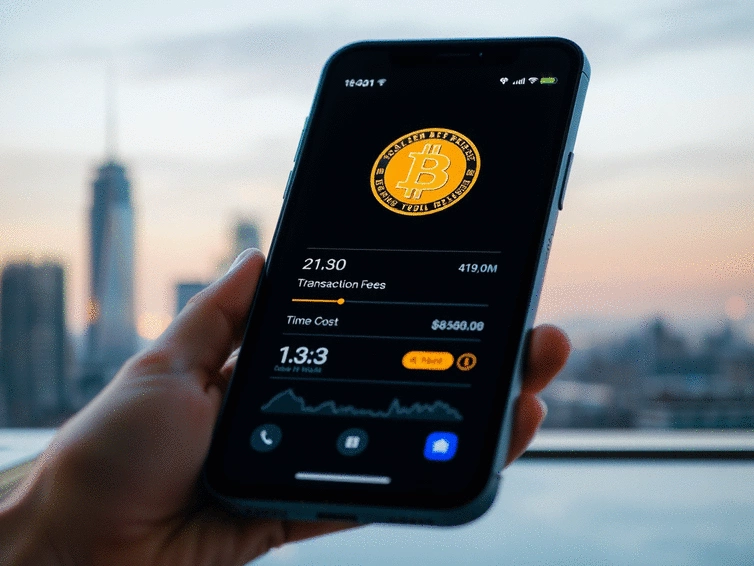
In the ever-evolving landscape of cryptocurrency, understanding the intricacies of Bitcoin transaction fees is crucial for anyone looking to navigate this digital frontier effectively. Did you know that during peak demand, transaction fees can skyrocket, influencing how quickly your Bitcoin is sent?
Bitcoin transaction fees are crucial for network functionality, influencing confirmation times and incentivizing miners. Understanding the factors that affect these fees and how to optimize them can significantly enhance your experience in the cryptocurrency space.
Fee = Transaction Size (bytes) x Fee Rate (sats/vB)
Higher Fee = Faster Confirmation
Lower Fee = Longer Mempool Wait
When diving into the world of Bitcoin, one concept that often comes up is transaction fees. These fees play a vital role in the Bitcoin network, serving as incentives for miners who confirm and validate transactions. Essentially, when you send Bitcoin, you can choose how much you’re willing to pay to have your transaction processed. The more you pay, the more likely your transaction will be prioritized among others waiting in line.
But how do these fees function, and what factors influence them? Let’s break it down into manageable pieces.
Bitcoin transaction fees are not just arbitrary numbers; they represent the cost associated with processing and confirming transactions on the blockchain. When you make a transaction, it enters a pool called the mempool, where miners select transactions based on the fees offered. Higher fees mean miners are more likely to select your transaction sooner for inclusion in a block they’re working on.
This process ensures that the Bitcoin network remains fluid and efficient, allowing users to transfer values effectively. Now, let’s explore how these fees are calculated.
The calculation of Bitcoin transaction fees can seem complex, but it boils down to a few key components. Primarily, fees are expressed in satoshis per virtual byte (sats/vB). This means the fee amount is determined by the size of the transaction in bytes and the current demand on the network. If a transaction is larger (in bytes), you’ll need to pay more to get it confirmed quickly.
For instance, during periods of high network congestion, fees can spike dramatically. Understanding the relationship between your transaction size and the current market conditions can help you adjust your fees appropriately.

Several factors come into play when it comes to the influence of transaction fees:
As these factors interplay, they create a dynamic landscape for transaction fees. Users need to stay informed about their implications to manage costs effectively.
The mempool acts as a waiting room for all pending Bitcoin transactions, and it’s pivotal in fee management. When you initiate a transaction, it enters the mempool. Miners then pick transactions from this pool based on the fees attached. If a transaction has a low fee, it might remain in the mempool longer, waiting for a miner to prioritize it.
Understanding how the mempool works can help you make informed decisions about when and how to send your Bitcoin. Keeping an eye on the mempool can reveal patterns that can assist you in optimizing your transaction fees.
It’s essential to recognize how transaction fees directly correlate with confirmation speed. Typically, a higher fee results in a quicker confirmation time. This is crucial for users who need to complete transactions quickly, such as businesses processing payments. For a deeper understanding of the economics driving these blockchain mechanisms, you might find insights from academic research, such as the paper on Economic Limits of Crypto Blockchains, particularly useful.
In contrast, if you choose to pay lower fees, your transaction might linger in the mempool longer, particularly during periods of high demand. For instance, during a market surge, users are often eager to transact, leading to increased competition for block space.
There are practical ways to manage and optimize your Bitcoin transaction fees. Here are some tips to help you save:
Implementing these strategies can significantly reduce the cost of your Bitcoin transactions while ensuring timely confirmations.
Let’s take a look at some real-world scenarios to illustrate how fees are applied in practice. For example, if a typical transaction size is 250 bytes and the current market rate is 100 sats/vB, your transaction fee would be calculated as follows:
This example showcases how even minor fluctuations in transaction size and fee rates can affect costs. By understanding this, you can make more informed decisions about your transactions.
It’s also insightful to compare Bitcoin transaction fees with those of other blockchains. For instance:
Understanding these differences can help you determine the best blockchain for your particular transaction needs.
Lastly, let’s discuss how Bitcoin Improvement Proposals (BIPs) have shaped transaction fees. Notable proposals like SegWit have made transactions more efficient and reduced the overall fees by allowing more transactions to fit in each block. This enhancement has directly influenced fee calculations and has made the network more accessible for everyday users. The ongoing discussion around the energy consumption of Bitcoin mining, as highlighted by reports from the EIA, also plays a role in the broader context of network sustainability and decentralization, which indirectly influences fee structures by affecting miner participation and operational costs.
By staying informed about BIPs, you can better understand how the Bitcoin network evolves and impacts transaction fees.
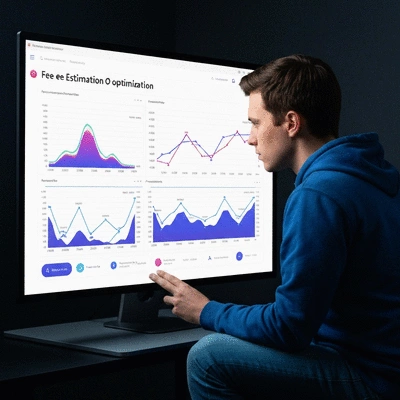
To optimize your Bitcoin transaction fees, consider using fee estimation tools that analyze current network conditions. This can help you adjust your fees based on real-time data, ensuring you pay only what is necessary for timely confirmations.
In the Bitcoin ecosystem, transaction fees play a vital role. They help prioritize transactions on the network, ensuring that users can send and receive Bitcoin efficiently. Without these fees, the entire system could be bogged down, leading to delays and frustration for those looking to make timely exchanges. Understanding how fees work can significantly enhance your experience in the cryptocurrency space.
Transaction fees are more than just a cost; they are a necessary part of how Bitcoin operates. Every time you send Bitcoin, you are essentially bidding for your transaction to be included in the next block. The higher the fee you pay, the more likely miners will prioritize your transaction. This is crucial during times of network congestion when many users are trying to send funds simultaneously.
By grasping the importance of these fees, you can make more informed choices and potentially save money by choosing optimal times to transact. Knowledge is power, especially when it comes to navigating the world of Bitcoin!
Now that we've covered the significance of transaction fees, let’s dive into some actionable strategies you can apply. Here are a few tips to help you manage and potentially reduce your Bitcoin transaction costs:
By implementing these strategies, you’ll not only save on fees but also enhance your overall Bitcoin experience. Staying informed about market trends is essential, and I encourage you to keep learning and adapting as the landscape evolves!
To deepen your understanding of Bitcoin transaction fees, I recommend checking out the following resources:
These tools can provide valuable insights and help you make informed decisions regarding your transactions. The more you learn, the more empowered you'll feel in this fascinating world of Bitcoin!
Have you navigated the world of Bitcoin fees? I’d love to hear your experiences! Sharing your insights can help others in our community make better decisions. What strategies have you found effective? Join the conversation and let’s learn from each other!
Here is a quick recap of the important points discussed in the article:
Understanding Blockchain Anonymity Features

Imagine navigating a financial landscape where your every transaction is not only secure but also sh
Bitcoin Trends and Predictions Ahead

What if your investments could benefit from the same technology that powers the future of money? In
Bitcoin Mining: Legal Guidelines Worldwide
As we venture into the intricate world of Bitcoin mining, it's vital to be equipped with knowledge a
Understanding Blockchain Anonymity Features
Bitcoin Trends and Predictions Ahead
Bitcoin Mining: Legal Guidelines Worldwide
Bitcoin Mining Issues and Fixes
Blockchain's Impact Across Various Industries