
Core Bitcoin Functionalities
- ● Peer-to-peer transactions (Direct, no intermediaries)
- ● Limited supply (Max 21 million Bitcoins)
- ● Global accessibility (Internet connection required)

In the rapidly evolving landscape of finance, the emergence of Bitcoin presents intriguing possibilities. As we peel back the layers of this digital currency, consider how it challenges traditional economic models and what it means for the future.
Delve into the core elements that define Bitcoin, from its underlying technology to its role in the global economy, and consider the key factors influencing its stability and growth.
As we navigate the intricacies of the digital economy, it’s essential to understand the monumental role that Bitcoin plays. This isn’t just another cryptocurrency; Bitcoin is reshaping how we view value, transactions, and even trust in financial systems. With its unique properties, Bitcoin offers a glimpse into an innovative financial future, which we will explore throughout this section.
At How Does Bitcoin Work, I aim to break down these complex ideas to help you grasp how Bitcoin stands as a pillar of the emerging digital economy! Let’s dive into what Bitcoin really is and how it operates.
Bitcoin can be described as a decentralized digital currency, which means it isn't controlled by any government or financial institution. Instead, it operates on a technology called blockchain, which records every transaction across a network of computers. Think of it as a massive digital ledger that everyone can see but no one can alter. This transparency is what makes Bitcoin both secure and appealing to users.
Here are some core functionalities of Bitcoin:
By understanding these features, we can see why Bitcoin is more than just a cryptocurrency; it's a revolution in how we think about money!

Bitcoin emerged in 2009 as a response to the financial crisis of 2008, symbolizing a break from traditional economic models. The idea was to create a form of money that operates independently of centralized banking systems, offering an alternative for individuals seeking stability in their financial transactions. This shift has sparked numerous discussions about the future of currency and its role in our daily lives.
As Bitcoin gained traction, it has influenced various economic systems, including:
These changes reflect how Bitcoin is not just a fleeting trend, but a significant force reshaping economic paradigms!
At the heart of Bitcoin's functionality is blockchain technology, which ensures the integrity and security of transactions. Each block in the blockchain contains a collection of transactions that are verified by network participants, known as miners. This process of validation not only secures transactions but also adds value to Bitcoin as it prevents fraud and double-spending.
Let’s highlight some attributes of blockchain technology that bolster Bitcoin's credibility:
This combination of features makes blockchain an essential element of Bitcoin’s appeal, ensuring that users can trust the system!
Decentralization is one of Bitcoin's most powerful concepts. Unlike traditional currencies governed by central banks, Bitcoin operates on a network where no single entity has control. This design empowers users, giving them autonomy over their financial transactions and assets.
Here are a few benefits of decentralization:
Understanding this principle is crucial for recognizing Bitcoin's potential to transform financial systems across the globe!
Bitcoin is often compared to traditional currencies, but is it really just like cash? As I explore this question, we can look at Bitcoin as a digital commodity that holds unique characteristics. While it shares similarities with currency, such as being a medium of exchange and a store of value, its scarcity and growing demand further characterize it as a commodity.
Here are some factors to consider when analyzing Bitcoin’s status:
These elements highlight why Bitcoin is often classified as a commodity, setting it apart from traditional currency!
The process of Bitcoin mining is a fundamental aspect of its ecosystem, and it has broader economic implications. Miners validate transactions and secure the network, earning Bitcoin as a reward. This process not only produces new bitcoins but also allocates resources within the economy.
Let’s consider some implications of Bitcoin mining on GDP:
These factors underscore how Bitcoin mining influences not just the cryptocurrency market, but also the overall economy!
As you delve into the world of Bitcoin, one of your first steps will be choosing a wallet to store your digital assets. There are various types of wallets, each with its own advantages and disadvantages. Having the right wallet is key to managing your Bitcoin securely.
Here’s a quick breakdown of the types of wallets available:
Each wallet type caters to different user needs, whether you're looking for convenience or security in your Bitcoin management!
Bitcoin exchanges play a critical role in enabling users to buy, sell, and trade Bitcoin. These platforms connect buyers and sellers, allowing for seamless transactions. As someone interested in entering the Bitcoin market, understanding how exchanges work is vital.
Here are some key features of Bitcoin exchanges:
With the right exchange, you can facilitate your Bitcoin transactions effectively while navigating the market!
Using Bitcoin for transactions comes with its unique set of advantages and challenges. On one hand, Bitcoin offers a level of freedom and independence from traditional banking; on the other hand, it also poses risks that all users should be aware of.
Here’s a summary of the pros and cons:
Being aware of these factors can help you make informed decisions about using Bitcoin in your financial activities!

In recent years, many have touted Bitcoin as a potential hedge against inflation, especially in times of economic uncertainty. With central banks increasing the supply of money, Bitcoin's limited supply has led some to view it as a safeguard for their wealth.
To evaluate its effectiveness, consider these points:
Understanding these elements is crucial for assessing Bitcoin's potential as a hedge against inflation!
One of the most exciting aspects of Bitcoin is its ability to promote financial inclusion across the globe. Millions of people remain unbanked, lacking access to traditional financial services. Bitcoin provides an alternative path, allowing individuals to participate in the economy without relying on banks. For more information on the broader implications of digital assets, you can refer to reports such as the White House's comprehensive framework for responsible development of digital assets.
Here’s how Bitcoin contributes to financial inclusion:
This potential for global inclusivity makes Bitcoin an important player in the evolving financial landscape!
Bitcoin has not only revolutionized our understanding of currency but has also paved the way for technological innovations such as Non-Fungible Tokens (NFTs) and Decentralized Finance (DeFi). These developments are reshaping industries beyond finance, influencing art, gaming, and even supply chain management.
As we consider the impact of Bitcoin on innovation, here are some key areas:
These technological advances illustrate how Bitcoin is a catalyst for broader innovation in the digital space!
Bitcoin’s potential to streamline payment processes is another significant contribution to the digital economy. Traditional payment systems often involve multiple intermediaries, resulting in delays and added costs. Bitcoin’s peer-to-peer nature eliminates these middlemen, offering a more efficient solution.
Consider these benefits of using Bitcoin for payments:
This efficiency is a game-changer for businesses and consumers alike as we continue embracing the digital economy!
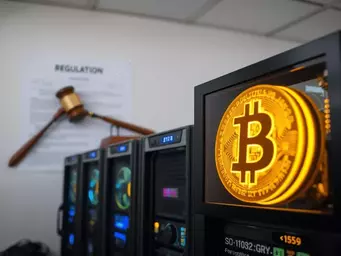
As Bitcoin continues to grow, regulatory challenges emerge. Governments and financial authorities are grappling with how to approach this new asset class. Effective regulation could provide much-needed stability, protecting consumers while fostering innovation. Insights from official bodies, such as the Treasury Borrowing Advisory Committee (TBAC), often highlight the broader economic implications of digital assets.
Key considerations for regulation include:
Finding the right balance in regulation will be crucial for Bitcoin's long-term success and acceptance!
Looking ahead, Bitcoin is poised to play a significant role in the future of finance, but several opportunities and threats await. As adoption increases, we may see Bitcoin integrated more deeply into financial systems and everyday transactions. However, challenges such as regulatory hurdles and market volatility could also arise. The Economic Report of the President frequently discusses emerging financial technologies and their potential impact on the economy.
Some factors to keep an eye on include:
Understanding these dynamics will be key to navigating Bitcoin's future landscape!
Many businesses are now integrating Bitcoin as a means of payment, showcasing its practicality in the real world. From online retailers to service providers, Bitcoin's adoption is changing how transactions occur.
Some successful examples include:
These examples illustrate how Bitcoin is becoming a viable option for everyday transactions!
As Bitcoin mining becomes more prevalent, concerns regarding its environmental impact have surfaced. Mining requires substantial energy resources, often relying on fossil fuels, which has sparked debates about sustainability.
To address these concerns, here are some current insights:
Balancing the benefits of Bitcoin with environmental sustainability will be a critical challenge moving forward!
Bitcoin also holds promise for revolutionizing cross-border payments. Traditional systems can be slow and expensive, but Bitcoin allows for quicker and lower-cost transactions. This feature is particularly beneficial for workers sending remittances home.
Key advantages of using Bitcoin for cross-border payments include:
This capability marks a significant shift in how people engage with financial systems globally!
When engaging with Bitcoin, consider using dollar-cost averaging as an investment strategy. This approach involves investing a fixed amount regularly, regardless of Bitcoin's price fluctuations. It helps mitigate the impact of volatility and can lead to a more balanced investment over time.
Bitcoin is a decentralized digital currency operating on blockchain technology, meaning it's not controlled by any single government or financial institution. Unlike traditional currencies, it has a limited supply (21 million coins), which creates scarcity and can act as a hedge against inflation. Transactions are peer-to-peer, transparent, and immutable.
Blockchain technology ensures the integrity and security of Bitcoin transactions. Each block of verified transactions is permanently recorded and linked, preventing fraud and double-spending. Its decentralized nature makes it resilient to attacks and provides transparency, as all transactions are visible to the public network.
Bitcoin is often classified as a digital commodity, sometimes referred to as "digital gold." While it functions as a medium of exchange and store of value like traditional currencies, its capped supply and market perception as a scarce asset distinguish it. Its price volatility also makes it attractive to traders, further reinforcing its commodity status.
Decentralization is a core principle of Bitcoin, offering several benefits: reduced risk of censorship (no government can freeze assets), increased accessibility (no bank account needed), and enhanced security (a distributed network is less vulnerable to attacks).
Pros: Fast and low-cost international transactions, increased privacy, and potential protection against inflation. Cons: Price volatility, limited acceptance by merchants, and regulatory uncertainties.
Bitcoin promotes financial inclusion by providing access to financial services for unbanked populations globally. With just a smartphone and internet connection, individuals can create a Bitcoin wallet, removing barriers like credit checks and extensive documentation, and empowering them with control over their funds.
Bitcoin wallets include hardware wallets (physical devices for offline storage, high security), software wallets (applications for computers/smartphones, convenient access), and paper wallets (physical printouts of keys, completely offline). The choice depends on user needs for security versus convenience.
Bitcoin mining consumes significant energy, often relying on fossil fuels, leading to environmental concerns. However, there's a growing trend towards renewable energy initiatives, increased efficiency in mining technology, and policy discussions pushing for greener practices to mitigate this impact.
As we look toward the future, it’s clear that Bitcoin is more than just a buzzword in finance; it's shaping the landscape of the digital economy. The evolution of Bitcoin has not only altered how we think about currency but also how we interact with technology and finance on a global scale. Let’s dive into some key takeaways regarding its impact and what investors and users should consider moving forward!
Understanding these aspects can empower you to make informed decisions in this fast-paced environment. As always, remember that education is key to navigating this evolving space!
When exploring the world of Bitcoin, it’s essential to evaluate both risks and opportunities. As I’ve highlighted in my work at How Does Bitcoin Work, diving into Bitcoin investments can be exciting but comes with its own set of challenges. Here are some factors to weigh:
By conducting thorough research and staying informed, you can better position yourself in the market. Remember, the path to understanding Bitcoin is a journey, and every bit of knowledge counts!
Investing in Bitcoin requires a solid grasp of its unique characteristics. The fluctuating market can be a double-edged sword, presenting opportunities for profit while also posing substantial risks. Here are some strategies for evaluating these factors:
Approaching your investments with a comprehensive understanding can significantly enhance your chances of success.
As Central Bank Digital Currencies (CBDCs) emerge, the role of Bitcoin may shift. Understanding this dynamic is vital for investors. Here’s what you should consider:
Staying ahead of these trends can help you navigate the future of finance confidently!
Navigating Bitcoin's volatility is critical for any investor. Simple yet effective strategies can help manage risks:
By employing these strategies, you can feel more secure in your investment decisions.
As Bitcoin continues to evolve, ongoing learning is key. Whether you’re an experienced investor or just starting, I encourage you to seek out resources that can expand your knowledge. Here are some valuable options:
With knowledge comes power, and staying informed is essential in this fast-changing landscape!
In our digital age, numerous resources are available to help you keep up with Bitcoin trends. Here’s where to start:
Exploring these resources can enhance your understanding and keep you engaged with the Bitcoin community.
Joining the Bitcoin community can be both rewarding and educational. Here are a few ways to dive in:
Being involved in the community can provide support and amplify your learning experience!
Bitcoin futures can be complex but understanding them is vital for navigating market dynamics. Here’s a brief overview:
As you explore this aspect of Bitcoin, remember that continued education is key, and the more you learn, the more empowered you become in this exciting space!
Here is a quick recap of the important points discussed in the article:
Understanding Blockchain Anonymity Features

Imagine navigating a financial landscape where your every transaction is not only secure but also sh
Bitcoin Trends and Predictions Ahead

What if your investments could benefit from the same technology that powers the future of money? In
Bitcoin Mining: Legal Guidelines Worldwide
As we venture into the intricate world of Bitcoin mining, it's vital to be equipped with knowledge a

Understanding Blockchain Anonymity Features
Bitcoin Trends and Predictions Ahead
Bitcoin Mining: Legal Guidelines Worldwide
Bitcoin Mining Issues and Fixes
Blockchain's Impact Across Various Industries