

Understanding Blockchain Scalability Issues
As we dive into the complexities of blockchain technology, understanding scalability is paramount for those eager to engage with cryptocurrencies. Did you know that while Bitcoin processes only 3-7 transactions per second, traditional payment systems can handle thousands? This disparity highlights the pressing need to address scalability challenges.
What You Will Learn
- Understanding Scalability: Grasp the two primary dimensions of scalability—capacity and speed—and their crucial roles in blockchain performance.
- Impact of Speed: Recognize how transaction speed influences user adoption and the potential for alternative platforms.
- Cost Concerns: Learn how rising transaction fees during peak demand can deter users from utilizing blockchain networks.
- Network Congestion: Discover the effects of network overload on transaction delays and user frustration.
- Measuring Throughput: Explore how transaction throughput and latency affect user experience and blockchain viability.
- Community Engagement: Understand the importance of connecting with the blockchain community for continuous learning and feedback.
Blockchain Scalability Challenges: Speed, Cost, and Congestion Overview
This visual summarizes the core issues hindering blockchain scalability and compares transaction throughputs of major networks.
Core Blockchain Scalability Issues
- Speed: Slow transaction confirmations.
- Costs: High transaction fees during demand.
- Congestion: Network overload leading to delays.
These factors impact user experience and broader adoption.
Transaction Throughput (TPS) Comparison
Traditional systems still vastly outperform current blockchain throughput.
Understanding Blockchain Scalability Challenges
When we dive into the world of blockchain, one term you’ll often hear is scalability. But what does that mean exactly? In simple terms, scalability refers to a blockchain’s ability to handle an increasing number of transactions without losing performance. This is crucial for the growth of cryptocurrencies like Bitcoin, as more users interact with the network, the demand for speed and efficiency grows. So, let’s unravel this concept further.

Defining Scalability in Blockchain Context
In the context of blockchain, scalability can be viewed from two main angles: capacity and speed. Capacity refers to how many transactions a blockchain network can process concurrently. Speed, on the other hand, is about how quickly these transactions can be confirmed. Both elements are vital for a blockchain to thrive in a competitive digital economy. For instance, the use of blockchain technology in federal government applications, as detailed in this CSIAC report, underscores the importance of robust scalability for widespread adoption.
Imagine a busy highway. If too many cars try to travel at once, it becomes congested. Similarly, a blockchain with limited scalability becomes slow and inefficient as more users join. Understanding these dynamics is essential for anyone looking to invest in or utilize blockchain technology.
Core Issues: Speed, Costs, and Network Congestion
- Speed: As mentioned, transaction speed is critical. If users have to wait too long for transactions to be confirmed, they may turn to alternatives. The Joint Financial Management Improvement Program (JFMIP) highlights the need for efficient transaction processing in government financial systems, a principle that applies equally to blockchain's widespread adoption. You can read more about their insights in their annual report.
- Costs: Transaction fees can skyrocket during times of high demand, making the blockchain less appealing.
- Network Congestion: When the network is overloaded, it can lead to delays and increased fees, creating a frustrating experience for users.
These three factors are at the heart of scalability challenges. They not only impact individual users but also the broader adoption of blockchain technologies. At How Does Bitcoin Work, we encourage everyone to understand these challenges, as they significantly affect how cryptocurrencies are perceived and used in everyday transactions.
Transaction Throughput: Measuring Blockchain Performance Metrics
To evaluate a blockchain’s scalability effectively, we must look at its transaction throughput. This metric indicates how many transactions a network can process in a given time frame, usually measured in transactions per second (TPS). For instance, Bitcoin processes about 3-7 TPS, while Ethereum can handle around 15 TPS. These numbers might seem low compared to traditional payment systems like Visa, which can process thousands of transactions per second! The limitations of blockchain, even as its applicability expands, are a key area of study, as discussed in this literature review on GovTech.
It’s important to note that throughput is not the only metric to consider. We should also take into account latency, which measures the delay before a transfer of data begins. A system might have high TPS but still deliver a poor user experience if latency is significant. Understanding these metrics helps us appreciate the complexities of blockchain scalability.
Pro Tip
To effectively tackle blockchain scalability challenges, consider exploring Layer 2 solutions such as the Lightning Network for Bitcoin or Optimistic Rollups for Ethereum. These technologies can significantly enhance transaction speed and reduce costs, making blockchain more user-friendly and efficient.
Frequently Asked Questions About Blockchain Scalability
What is blockchain scalability?
Blockchain scalability refers to a blockchain's ability to handle an increasing number of transactions and users without compromising its performance, speed, or cost-efficiency.
Why is transaction speed important for blockchain adoption?
Transaction speed is critical because slow transaction confirmations can deter users and push them towards alternative, faster payment systems. Quick processing is essential for a smooth user experience.
How do high transaction costs affect blockchain usage?
High transaction costs, especially during peak demand, can make using blockchain networks economically unfeasible or undesirable for everyday transactions, thereby limiting widespread adoption.
What causes network congestion in blockchain?
Network congestion occurs when the volume of transactions exceeds the network's processing capacity. This leads to longer transaction delays and often results in increased transaction fees as users compete for limited block space.
What is transaction throughput (TPS) and why does it matter?
Transaction Throughput (TPS) measures how many transactions a blockchain network can process per second. It matters because it directly indicates the network's capacity and efficiency, influencing its ability to support a large user base and complex applications.
What are Layer 2 solutions and how do they help with scalability?
Layer 2 solutions (e.g., Lightning Network, Optimistic Rollups) are protocols built on top of existing blockchain networks. They help with scalability by processing transactions off-chain, thereby reducing the load on the main blockchain, increasing speed, and lowering costs.
Summary of Blockchain Scalability Challenges
As we navigate the evolving landscape of blockchain technology, it's crucial to understand the complexities surrounding scalability. Key challenges like speed and transaction costs play a significant role in user adoption. Addressing these challenges is essential for the future of blockchain, ensuring that it meets the demands of a broader audience.
In this summary, I will highlight the most pressing scalability issues and offer insights that can prepare you for future developments in blockchain technology. Let’s break it down!
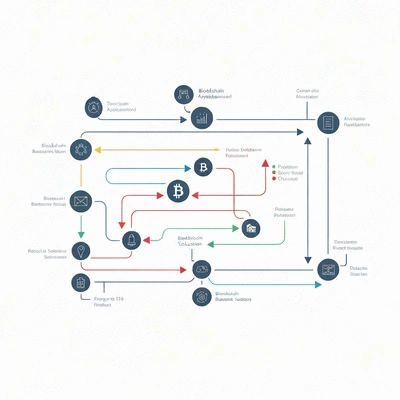
Key Takeaways on Speed and Cost Considerations
- Transaction Speed: Users expect quick confirmations, but many networks struggle to deliver on these expectations.
- Transaction Costs: High fees can deter users from engaging with blockchain platforms.
- Network Congestion: Increased traffic can lead to delays and frustrations for everyday users.
These key considerations highlight the delicate balance between providing a fast, cost-effective service while maintaining the integrity of the network. Without addressing these issues, mass adoption may remain a distant goal.
Preparing for Future Developments in Blockchain Technology
The future of blockchain holds exciting possibilities as innovations continue to emerge. As a cryptocurrency educator, I believe that staying informed about new advancements is vital. Here are some ways you can prepare:
- Follow reputable blockchain news sources to stay updated on scalability solutions.
- Engage with online communities and forums to discuss the latest trends.
- Participate in local meetups or webinars focused on blockchain technology.
By actively engaging with the community and continuously learning, you can not only enhance your knowledge but also contribute to the broader conversation around scalability. Empowered individuals are essential for driving blockchain’s evolution.
Engaging with the Blockchain Community
Building a strong connection with the blockchain community can significantly enhance your understanding and experience in this space. As I focus on making Bitcoin accessible to everyone through How Does Bitcoin Work, I encourage you to get involved!
How to Stay Updated on Scalability Innovations
- Subscribe to newsletters from leading blockchain platforms.
- Follow influential figures in the crypto space on social media.
- Join groups on platforms like Discord or Reddit that discuss blockchain technology.
Staying updated on scalability innovations keeps you informed about advancements that could shape the future of the industry. Remember, knowledge is power!
Encouraging User Feedback and Discussion for Wider Adoption
User feedback is crucial in refining blockchain technologies. By sharing your experiences, you contribute to a collective understanding of what works and what doesn’t. Here’s how you can encourage discussion:
- Share your insights on popular online forums.
- Participate in surveys conducted by blockchain projects.
- Engage in discussions during webinars or local meetups.
When users voice their opinions, it not only helps developers improve their projects but also fosters a community that values collaboration. Let’s build a better blockchain ecosystem together!
Exploring the Developer Ecosystem for Blockchain Solutions
The developer community is at the forefront of tackling scalability challenges. They are the ones innovating solutions like Layer 1 and Layer 2 technologies. To explore this ecosystem, consider:
- Learning programming languages commonly used in blockchain development, such as Solidity or JavaScript.
- Contributing to open-source projects related to blockchain.
- Joining hackathons or coding challenges focused on blockchain solutions.
By getting involved, you not only enhance your skills but also contribute to creating effective scalability solutions. Together, we can pave the way for a more efficient blockchain future! Ready to dive in?
Recap of Key Points
Here is a quick recap of the important points discussed in the article:
- Understanding Scalability: Scalability refers to a blockchain's ability to handle more transactions efficiently as user demand increases.
- Core Issues: Key challenges to scalability include transaction speed, costs, and network congestion, all of which affect user experience.
- Transaction Throughput: Measuring how many transactions can be processed per second (TPS) is crucial for evaluating blockchain performance.
- Future Developments: Staying informed about innovations in blockchain technology will help users adapt and engage effectively.
- Community Engagement: Building connections within the blockchain community is vital for sharing insights and feedback to foster improvements.




Understanding Blockchain Anonymity Features
Bitcoin Trends and Predictions Ahead
Bitcoin Mining: Legal Guidelines Worldwide
Bitcoin Mining Issues and Fixes
Blockchain's Impact Across Various Industries