Welcome to How Does Bitcoin Work. Demystifying Bitcoin for everyone, from blockchain basics to wallet security. Explore and empower your crypto journey!
How much control do you really have over your cryptocurrency? The answer lies in understanding the differences between custodial and non-custodial wallets. This knowledge notlessly empowers you but also shapes how you navigate the crypto landscape.
What You Will Learn
Custodial wallets offer convenience by managing your funds for you, ideal for beginners.
Non-custodial wallets give you complete control over your private keys, enhancing security but requiring responsibility.
Trusting a third party with your funds in custodial wallets can pose risks, especially during security breaches.
Understanding wallet types is essential for aligning your crypto management with your financial goals and tech comfort level.
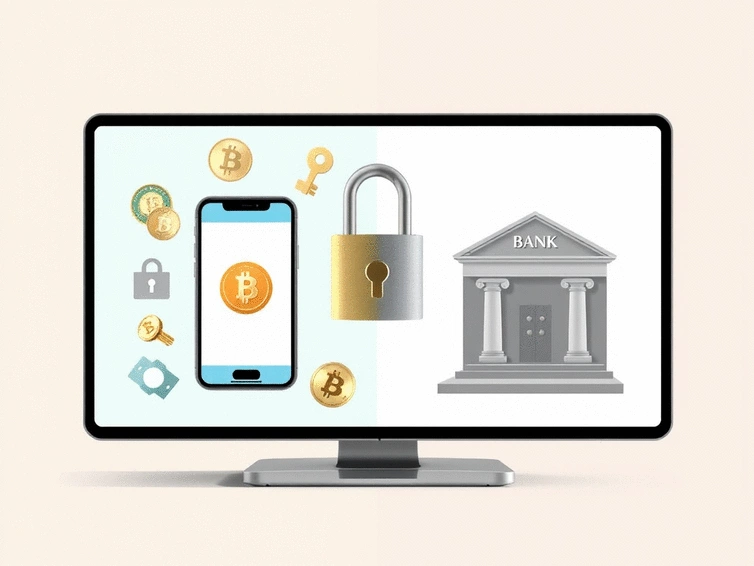
Custodial vs. Non-Custodial Wallets: A Comparative Overview
This visual highlights the key differences and responsibilities associated with custodial and non-custodial cryptocurrency wallets to help you make an informed decision.
Custodial Wallets
Funds held by a third-party service, offering convenience but requiring trust.
Key Characteristics
Third-party holds private keys
Easy setup & recovery options
Commonly used on exchanges (e.g., Coinbase, Binance)
Risks & Trade-offs
Vulnerable to centralized hacks
Less personal control over assets
Funds frozen if provider goes offline
Non-Custodial Wallets
You control your own private keys, offering full autonomy and security.
Decoding Crypto Wallets: Custodial vs Non-Custodial Explained
When diving into the world of cryptocurrency, one of the first concepts you’ll encounter is the wallet. Think of it as your digital wallet, a place where you store your Bitcoin and other cryptocurrencies. But did you know that there are different types of wallets? In this section, I'll walk you through the two primary categories: custodial and non-custodial wallets. Each has its unique features and implications for how you manage your assets.
Let's take a closer look at what makes these wallets distinct, starting with custodial wallets.
Understanding the Basics of Custodial Wallets
Custodial wallets are those where a third party holds your cryptocurrency on your behalf. This means you don’t have direct access to your private keys, which are crucial for managing your assets. Instead, the custodian manages them, often providing a user-friendly experience for beginners. Sounds convenient, right? But there’s more to consider!
These wallets typically come into play with exchanges or trading platforms. Now, let's break down some key aspects of custodial wallets.
What Constitutes a Custodial Wallet?
A wallet service that holds your funds on your behalf.
Access to funds is managed by the provider, who often includes recovery features.
Commonly associated with platforms like Coinbase or Binance.
In a custodial wallet, your funds are stored by a third party, adding a layer of convenience for transactions. However, this also means that these providers hold a degree of power over your assets. For a deeper understanding of the financial implications of custodial services, you can refer to insights from the Journal of Financial Research.
Who Holds Your Private Keys?
In a custodial setup, your private keys are stored by the wallet provider. This is one of the key trade-offs when considering custodial wallets. While it simplifies the process for users who may not be tech-savvy, it also means you're trusting a third party with your funds. If that provider experiences a security breach or goes offline, you could be at risk. This relationship between users and custodial providers and its regulatory aspects are further explored in research on crypto asset ownership.
Understanding this dynamic is crucial as it affects how you think about your investments. Now, let’s switch gears and talk about non-custodial wallets.
Understanding Non-Custodial Wallets
Non-custodial wallets offer a different approach. Here, you're in control! These wallets allow you to manage your own private keys, giving you complete responsibility for your cryptocurrency. This choice can seem daunting for newcomers but provides enhanced security and control.
Let’s delve deeper into what non-custodial wallets entail.
Defining Non-Custodial Wallets
Wallets that allow users to manage their own private keys.
They can be hardware wallets, mobile applications, or desktop software.
Popular examples include Ledger, Trezor, and Exodus.
With a non-custodial wallet, you hold the keys to your cryptocurrency kingdom! This means you can access your funds without relying on a third party, but it also means you must take extra steps to ensure security and backup. The regulatory landscape around non-custodial service providers, particularly concerning acts like the Bank Secrecy Act, is a complex and evolving area, as detailed by the University of Chicago Business Law Review.
Ownership and Control of Your Private Keys
Owning your private keys means that you have full control over your cryptocurrency. This level of autonomy can be empowering, but it comes with responsibilities. If you lose your keys, there's no recovery method—your funds could be gone forever. Understanding how to securely manage and back up your keys is essential.
As you explore wallets, it's important to weigh the benefits and challenges of both custodial and non-custodial options. In the next section, we'll evaluate the pros and cons of each wallet type, helping you make an informed decision on what’s best for you!
Engage with Us!
As you consider your options between custodial and non-custodial wallets, we’d love to hear your thoughts! Which type do you think suits your needs better, and why? Share your insights below:
Frequently Asked Questions (FAQs)
What is the main difference between custodial and non-custodial wallets?
The main difference lies in who holds the private keys. In custodial wallets, a third party holds your private keys, managing your funds for you. In non-custodial wallets, you hold your own private keys, giving you complete control and responsibility over your assets.
Are custodial wallets safer for beginners?
Custodial wallets are often considered more user-friendly for beginners due to their ease of setup and built-in recovery options. However, they introduce the risk of relying on a third party, which could be vulnerable to hacks or service outages.
What are the risks associated with custodial wallets?
Risks include vulnerability to centralized hacks, less personal control over your assets, and the possibility of your funds being frozen if the provider experiences issues or goes offline.
What happens if I lose my private keys for a non-custodial wallet?
If you lose your private keys for a non-custodial wallet, there is no recovery method. Your funds could be permanently inaccessible, emphasizing the importance of secure backup and management of these keys.
Which type of wallet offers more control over my cryptocurrency?
Non-custodial wallets offer complete control over your cryptocurrency because you manage your own private keys. This autonomy comes with the responsibility of securing and backing up your keys yourself.
Summarizing Your Wallet Options and Next Steps
Now that we’ve explored the ins and outs of custodial and non-custodial wallets, it’s time to sum up the key takeaways to help you make informed decisions. Each wallet type has its distinct advantages and disadvantages, which can influence your choice based on your specific needs and experience level. Here’s a quick recap:
Custodial Wallets: Great for beginners due to their user-friendly nature, but they involve trusting a third party with your assets.
Non-Custodial Wallets: Offer greater control and security, but come with the responsibility of managing your own keys.
As you weigh these options, consider how each aligns with your financial goals and comfort with technology. Remember, understanding these differences is crucial for a secure crypto experience.
Weighing the Pros and Cons for Informed Decisions
Choosing the right wallet isn’t just about convenience; it’s also about security and control. Here’s a handy list to help you weigh the pros and cons:
Pros of Custodial Wallets:
Easy to set up and use, especially for beginners.
Support for recovery options in case you forget your credentials.
Cons of Custodial Wallets:
Vulnerability to centralized hacks.
Less personal control over your assets.
Pros of Non-Custodial Wallets:
Complete ownership of your cryptocurrency.
Enhanced security through self-custody.
Cons of Non-Custodial Wallets:
You are fully responsible for your security and backup.
Backup and recovery can be complex if not managed properly.
This clear comparison can help clarify what aspects are most important for you as a cryptocurrency user. Are you leaning towards the simplicity of custodial wallets, or do you prefer the autonomy of non-custodial options?
Final Thoughts on Wallet Selection and Security Best Practices
When it comes to selecting a wallet, always prioritize security alongside usability. At How Does Bitcoin Work, I encourage you to adopt best practices such as enabling two-factor authentication (2FA) and regularly updating your wallets and passwords. Understanding your wallet’s security features can significantly reduce risks and enhance your overall experience in the crypto space.
Don’t forget, each wallet type serves different purposes depending on your needs. Be sure to evaluate your options regularly and stay informed about new developments in wallet technology!
Encouraging Safe Crypto Management and Continued Learning
Your journey in cryptocurrency should be both safe and rewarding. As you navigate this exciting landscape, embrace the learning process. Whether you’re a complete newbie or looking to deepen your understanding, remember that staying informed is key.
For more resources and tutorials, I invite you to explore How Does Bitcoin Work. Let’s unlock the potential of Bitcoin together, ensuring you have the knowledge necessary to make confident decisions in managing your crypto investments!
Recap of Key Points
Here is a quick recap of the important points discussed in the article:
Custodial Wallets: User-friendly and great for beginners but requires trusting a third party with your assets.
Non-Custodial Wallets: Provide full control over private keys and enhanced security, but come with the responsibility of managing your own security.
Security Best Practices: Enable two-factor authentication (2FA) and regularly update wallet software and passwords.
Evaluate Options: Consider your financial goals and comfort with technology when choosing between custodial and non-custodial wallets.
Stay Informed: Continuously educate yourself about new developments in wallet technology for a secure crypto experience.
At How Does Bitcoin Work, we are dedicated to demystifying Bitcoin and its underlying technologies. Our mission is to empower newcomers and curious investors with clear, accessible, and reliable education in the rapidly evolving world of cryptocurrency.






Understanding Blockchain Anonymity Features
Bitcoin Trends and Predictions Ahead
Bitcoin Mining: Legal Guidelines Worldwide
Bitcoin Mining Issues and Fixes
Blockchain's Impact Across Various Industries