
Ledger Nano S
Price: $59
Key Features: Basic security, supports over 1,500 coins, Secure Element chip.
Security: Secure Element chip
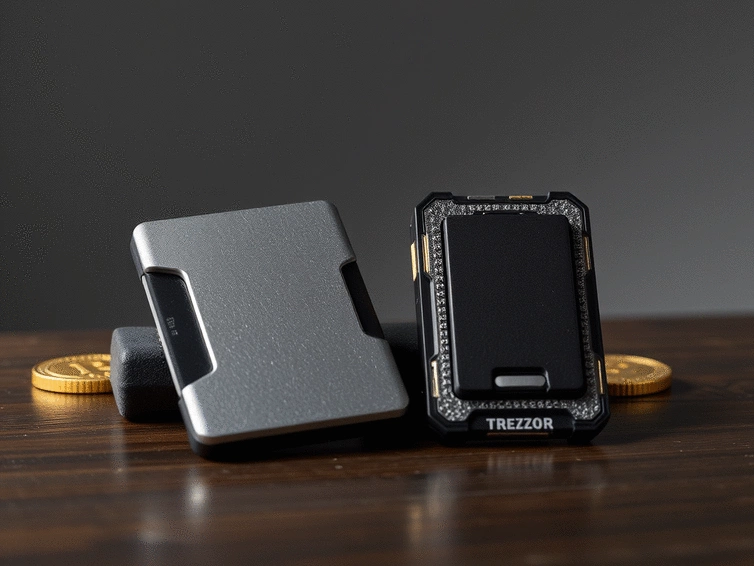
As cryptocurrency continues to evolve, securing your digital assets is more crucial than ever. With increased cyber threats, knowing how to protect your Bitcoin can safeguard your investments and provide peace of mind. Here’s a closer look at the essential elements of Bitcoin security.
A side-by-side comparison of key features, security, and pricing for popular hardware wallets to help secure your Bitcoin.
Price: $59
Key Features: Basic security, supports over 1,500 coins, Secure Element chip.
Price: $69
Key Features: User-friendly, strong security, supports over 1,000 coins, open-source.
Price: $149
Key Features: Bluetooth connectivity, supports over 1,800 coins, Secure Element chip.
Price: $219
Key Features: Color touchscreen, supports over 1,800 coins, open-source, Shamir Backup.
In today's digital age, securing your Bitcoin is more important than ever. With the rise of cyber threats and scams, understanding the best practices for Bitcoin security is essential. As a cryptocurrency educator, I cannot stress enough the importance of protecting your assets from potential losses.
One of the most effective ways to enhance your Bitcoin security is by using a hardware wallet. These devices are designed to keep your cryptocurrencies safe from hackers and other vulnerabilities that come with online storage.

If you're new to the world of cryptocurrency, you might be wondering, "Why can't I just keep my Bitcoin on an exchange?" While exchanges are convenient, they are also prime targets for hackers. That's where hardware wallets come in—they offer a secure way to store your Bitcoin offline.
Using a hardware wallet means you're taking proactive steps to protect your investments, and that peace of mind is invaluable!
Failing to secure your Bitcoin with a hardware wallet can lead to devastating consequences. Without proper safeguards in place, you run the risk of losing your entire investment to scams or hacks.
By not using a hardware wallet, you are essentially leaving your Bitcoin exposed to various threats. It’s crucial to consider these risks seriously!
To understand why hardware wallets are preferred for Bitcoin security, it's essential to differentiate between cold storage and hot wallets. Cold storage refers to wallets that are not connected to the internet, while hot wallets are online and more convenient but less secure.
Understanding these distinctions can help you make informed decisions on how to best secure your Bitcoin. With the right approach, your investments can remain safe and sound!
Did you know? Regularly updating your hardware wallet's firmware is crucial for maintaining top-notch security. Manufacturers often release updates that include security enhancements and new features, ensuring your Bitcoin remains well-protected against evolving threats.
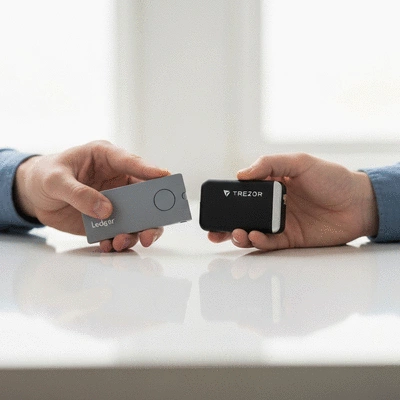
When it comes to securing your Bitcoin, it’s essential to understand the differences between Ledger and Trezor. Both brands offer robust security features, but they cater to different user preferences and needs. For a detailed comparison of these two leading hardware wallets, you can refer to resources like TechRepublic's Ledger vs. Trezor analysis. Here’s a quick summary of the main distinctions:
Ultimately, the right choice for you depends on your specific needs and how you plan to engage with your Bitcoin investments!
Choosing between Ledger and Trezor isn’t just about features—it’s about aligning with your security needs and investment strategy. If you value advanced security and an extensive altcoin support system, Ledger might be the way to go. Conversely, if transparency and simplicity are your priorities, Trezor may be the better fit. For further insights on making this decision, CoinTracker's blog on Trezor vs. Ledger can be a helpful resource.
Consider the following when making your decision:
Reflecting on these factors can help guide you to the wallet that best fits your personal cryptocurrency journey.
The primary benefit is enhanced security, as hardware wallets store your private keys offline (cold storage), making them virtually inaccessible to online hackers and malware.
Centralized exchanges are frequent targets for hackers and can be vulnerable to security breaches, phishing attacks, or even freezing accounts, putting your Bitcoin at risk of total loss.
Cold storage refers to cryptocurrency wallets that are not connected to the internet, providing maximum security. Hot wallets are online and offer convenience for frequent transactions but are more susceptible to hacking.
Ledger typically uses a Secure Element chip for security, while Trezor is known for its completely open-source architecture, which allows for community auditing. Both offer robust protection but employ different approaches.
Your choice depends on your specific needs. Consider factors like how often you trade, the range of cryptocurrencies you hold (altcoin support), user experience preference (sleek interface vs. simplicity), and budget. Both are reputable but cater to slightly different priorities.
As I often remind my readers at How Does Bitcoin Work, understanding your own needs and risk tolerance is vital in the cryptocurrency space. Take the time to weigh the benefits and limitations of both Ledger and Trezor. Think about how each wallet aligns with your investment goals and lifestyle.
Don’t forget: choosing a hardware wallet is an important step in safeguarding your digital assets! The right choice will empower you to navigate Bitcoin confidently.
When it comes to price, both Ledger and Trezor offer devices that cater to a range of budgets. Here’s a quick comparison of their popular models:
| Wallet Model | Price | Key Features |
|---|---|---|
| Ledger Nano S | $59 | Basic security, supports over 1,500 coins. |
| Ledger Nano X | $149 | Bluetooth connectivity, supports over 1,800 coins. |
| Trezor One | $69 | User-friendly, strong security, supports over 1,000 coins. |
| Trezor Model T | $219 | Color touchscreen, supports over 1,800 coins. |
As you can see, both options provide valuable security at different price points. Finding a wallet that suits your budget while meeting your security needs is essential for a successful Bitcoin investment strategy!
Now that you have a clear understanding of Ledger and Trezor, it’s time to reflect on your personal Bitcoin investment strategy. Ask yourself: what are my goals with Bitcoin? How often do I plan to use my wallet? Answering these questions will help you make an informed choice.
As you delve into the world of Bitcoin, remember that your security is paramount. Take your time comparing features and prices. Don’t hesitate to seek advice and gather insights from trusted sources, including How Does Bitcoin Work. We’re here to help you navigate this exciting landscape!
Nothing speaks louder than the experiences of actual users. I encourage you to explore reviews and testimonials from individuals who have used both Ledger and Trezor. Here are a few tips on what to look for:
Gathering this information will not only inform your decision but also empower you to choose the wallet that aligns with your unique Bitcoin journey!
Here is a quick recap of the important points discussed in the article:
Understanding Blockchain Anonymity Features

Imagine navigating a financial landscape where your every transaction is not only secure but also sh
Bitcoin Trends and Predictions Ahead

What if your investments could benefit from the same technology that powers the future of money? In
Bitcoin Mining: Legal Guidelines Worldwide

As we venture into the intricate world of Bitcoin mining, it's vital to be equipped with knowledge a
Understanding Blockchain Anonymity Features
Bitcoin Trends and Predictions Ahead
Bitcoin Mining: Legal Guidelines Worldwide
Bitcoin Mining Issues and Fixes
Blockchain's Impact Across Various Industries